Atrial fibrillation (AF): symptoms, stroke risk and treatment
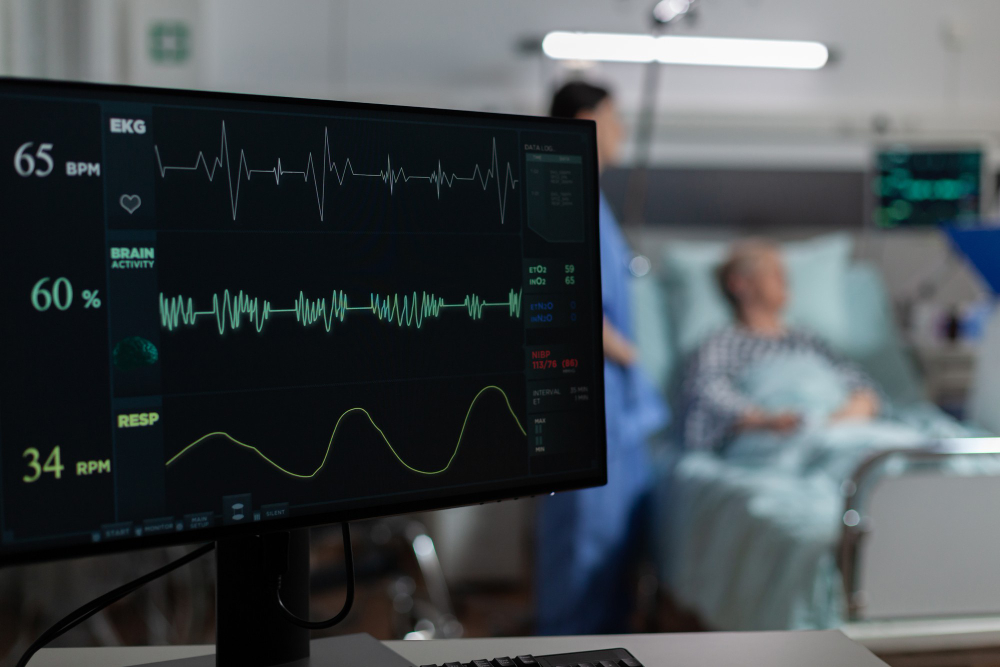
Atrial fibrillation (AF) is one of the most common heart rhythm disorders, affecting millions of people worldwide. It causes the heart to beat irregularly and sometimes faster than normal. Although AF is often manageable, it can increase the risk of serious complications, particularly stroke. People with atrial fibrillation have an approximately five-fold higher risk of […]
Short of breath when walking? Early indicators of heart failure you shouldn’t ignore

Breathlessness during an ordinary walk can be easy to dismiss, particularly when it develops gradually. You may notice that stairs require more pauses, everyday tasks leave you unusually tired, or you need an extra pillow to sleep comfortably. These changes do not always mean heart failure, as fitness, lung conditions, anaemia and other problems can […]
The silent danger: how uncontrolled high blood pressure damages your heart

High blood pressure can develop quietly, letting a person feel completely healthy while damage gradually occurs inside the body. A reading of 145/95 mmHg at a GP clinic may seem like a single number, particularly when there is no headache, breathlessness, chest discomfort, or unusual tiredness. Yet persistently raised pressure places continuous strain on the […]
Angina or indigestion? Recognising the subtle signs of coronary artery disease

Chest discomfort is easy to misread, particularly when it feels like burning, bloating, or indigestion after a meal or during a stressful day. Yet similar sensations can sometimes arise when the heart muscle is not receiving enough oxygen because of coronary artery disease. Angina may therefore be mistaken for a digestive problem, delaying medical assessment […]
A consultant’s guide to heart-healthy living in London

London’s consulting sector demands sustained mental focus, resilience, and long working hours. Tight project deadlines, client meetings across the City and Canary Wharf, international travel, and frequent corporate dinners can leave little time to prioritise personal health. While these pressures may be accepted as part of the profession, they can gradually increase cardiovascular risk through […]
Executive burnout or heart disease? Why leaders neglect their heart
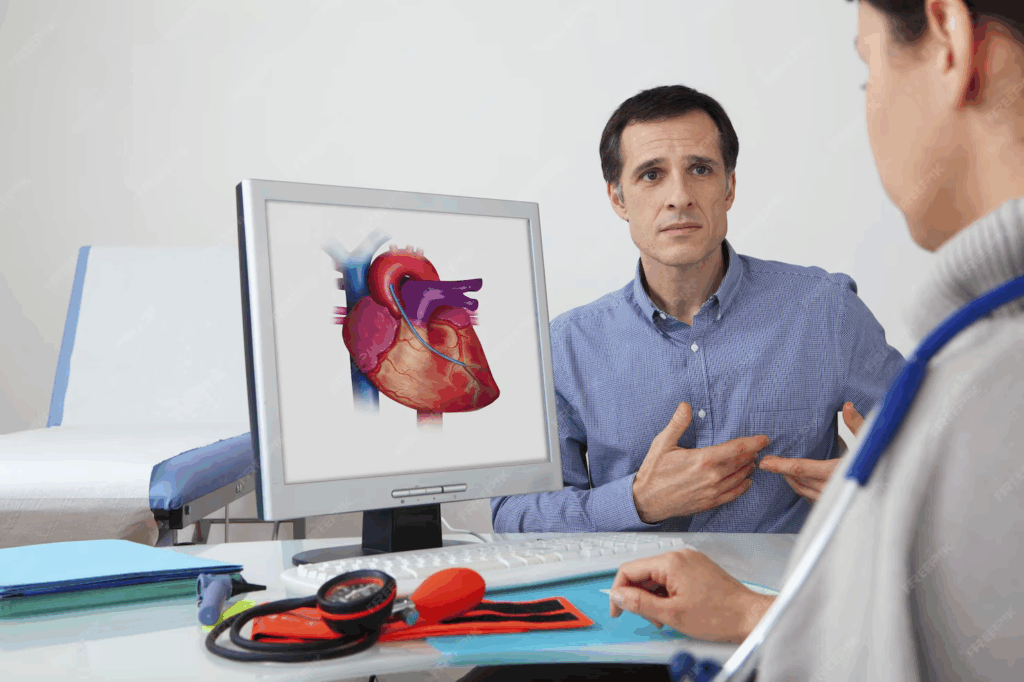
Senior executives often put persistent chest tightness, overwhelming fatigue, poor concentration, or reduced stamina down to the pressures of leadership rather than seeing them as potential warning signs of cardiovascular disease. Heavy workloads, constant decision-making, ambitious targets, and long working hours can create a culture where pushing through discomfort is seen as a sign of […]
The heart-productivity link: how cardiovascular health impacts focus

Modern professionals often respond to brain fog, poor concentration, and afternoon energy slumps by reaching for caffeine, productivity tools, or making short-term lifestyle changes. These approaches may help temporarily, but they do not always address the underlying factors that support good mental performance. The heart continuously delivers oxygen and nutrients to the brain, making cardiovascular […]
TAVI vs. open-heart surgery: which is right for you?

Treatment for severe aortic stenosis (narrowing of the aortic valve) has changed dramatically over the last two decades. In the past, replacing the aortic valve almost always meant open-heart surgery. Today, many patients can be treated with a minimally invasive procedure called transcatheter aortic valve implantation (TAVI or TAVR), which replaces the valve through a […]
How we fix a hole in the heart: the PFO closure journey

Being told you have a patent foramen ovale (PFO) can be worrying, especially if it has been discovered after a stroke or transient ischaemic attack (TIA). Fortunately, PFO closure is now a routine, minimally invasive procedure that is highly effective in carefully selected patients. From diagnosis through to recovery, every stage of the process is […]
Understanding your heart under pressure: the stress echocardiogram
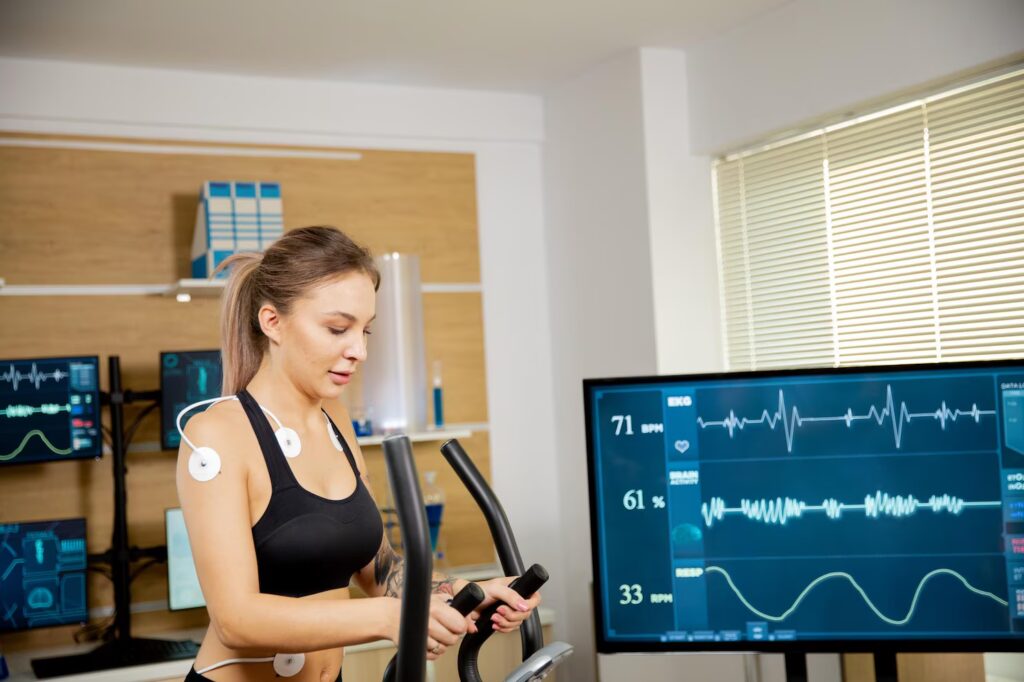
A standard echocardiogram (heart ultrasound scan) provides a great deal of information about the structure of your heart and how well it works when you are resting. However, some heart conditions only become apparent when your heart has to work harder, such as during exercise. If your symptoms mainly occur when you are active, a […]