













London’s consulting sector demands sustained mental focus, resilience, and long working hours. Tight project deadlines, client meetings across the City and Canary Wharf, international travel, and frequent corporate dinners can leave little time to prioritise personal health.
While these pressures may be accepted as part of the profession, they can gradually increase cardiovascular risk through poor dietary choices, physical inactivity, disrupted sleep, and ongoing work stress.
Remaining heart healthy does not require unrealistic routines or major lifestyle changes. Instead, it is about developing consistent, evidence-based habits that fit naturally into a demanding schedule. By making sensible choices around nutrition, exercise, travel, recovery, and preventive healthcare, consultants can protect their cardiovascular health, manage blood pressure, reduce long-term health risks, and maintain the energy and resilience needed throughout their careers.
Navigating corporate entertaining: the clinical reality of fine dining
Corporate entertaining is an important part of consulting, but frequent restaurant meals can negatively affect cardiovascular health. Business dinners often involve large portions, salty foods, refined carbohydrates, rich desserts, and regular alcohol consumption.
If this happens frequently, it can contribute to weight gain, higher blood pressure and cholesterol, and increased cardiovascular risk, particularly when combined with long working hours and limited physical activity. Making better food choices during business events can reduce these risks without affecting professional or social commitments.
Maintaining heart health during client events does not mean avoiding restaurants or social occasions. Choosing grilled fish or lean meat, vegetables, wholegrains, and lighter starters helps to reduce excessive salt and unhealthy fats.
Limiting alcohol, drinking water throughout the meal, and avoiding unnecessary extra courses can also help without making you appear overly restrictive. Paying attention to portion sizes can further reduce unnecessary calorie intake. Small, consistent choices can have a meaningful impact on long-term cardiovascular health.
Preparation can also make healthier choices easier. Eating a protein-rich snack before going to dinner can prevent excessive hunger and reduce the likelihood of overeating.
After evening events, prioritising hydration and good-quality sleep, while limiting late-night alcohol, can support recovery and help reduce some of the short-term effects of heavy meals and late-night dining. Regular physical activity during periods of frequent business entertaining also helps maintain cardiovascular fitness. Establishing simple healthy routines makes it much easier to balance professional responsibilities with long-term heart health.
High-yield aerobic efficiency for time-poor professionals
Many busy professionals rely mainly on the walking they do during the working day. While this is helpful, structured aerobic exercise can provide greater cardiovascular benefits within a relatively short amount of time.
Zone 2 training involves exercising at a moderate intensity where your breathing and heart rate increase, but you can still hold a conversation comfortably. This type of exercise strengthens the heart, improves fitness and endurance, and supports healthier blood vessels without leaving you exhausted for the rest of the day.
Regular zone 2 exercise encourages the formation of additional capillaries (small blood vessels), helping to improve blood flow around the body. It also improves the way muscles use energy and can help support healthier blood pressure over time.
These changes improve cardiovascular fitness and can increase day-to-day stamina, making long meetings, presentations, travel, and demanding project deadlines easier to manage. Better cardiovascular fitness can also improve recovery from both physical and mental stress.
Three or four sessions lasting around thirty to forty minutes each week can provide meaningful benefits. Activities such as brisk uphill walking, cycling, swimming, rowing, or light jogging can all achieve the right intensity.
Scheduling exercise in the diary like a client meeting can make it much easier to stay consistent. This turns exercise into a planned investment in long-term health rather than something that happens only when spare time becomes available. For most people, consistency matters much more than occasional bursts of intense exercise.
Travel cardiology: mitigating jet lag and circulatory stress
Frequent business travel can affect cardiovascular health in ways that go beyond simply feeling tired. Long-haul flights often involve prolonged sitting, dehydration, irregular meals, and disrupted sleep.
Sitting still for several hours slows the flow of blood through the legs, while inadequate hydration can increase blood viscosity, meaning the blood becomes slightly more concentrated. These factors may place additional strain on the circulation, particularly in people who travel frequently.
Simple preventative measures can reduce these risks during a journey. Maintaining good hydration before, during, and after a flight is one of the easiest ways to support healthy circulation. Drinking water regularly, limiting excessive alcohol and caffeine, and choosing lighter meals can help reduce dehydration and unnecessary metabolic stress.
Standing regularly, stretching your legs, and walking around the cabin whenever possible encourage healthy blood flow and reduce the effects of prolonged sitting. Compression stockings may also be useful for people who are at increased risk of circulation problems or blood clots during long journeys.
Managing jet lag is also important. Gradually adjusting sleep times before travel, getting natural daylight after arrival, and following local meal times can help the circadian rhythm adapt more quickly.
Prioritising good-quality sleep, moderate physical activity, and balanced meals after travelling helps the body recover and supports both mental and cardiovascular performance. Where possible, allowing some recovery time between frequent journeys may also reduce the cumulative effects of regular international travel.
The fallacy of feeling fine: knowing your critical numbers
Feeling healthy does not always mean that your cardiovascular health is completely normal. Many people who appear fit and well may have raised cholesterol, high blood pressure, abnormal blood sugar levels, or inherited cholesterol problems without knowing it.
These conditions often cause no symptoms and may remain undetected for many years. Relying only on how you feel can therefore delay diagnosis and allow preventable cardiovascular disease to develop.
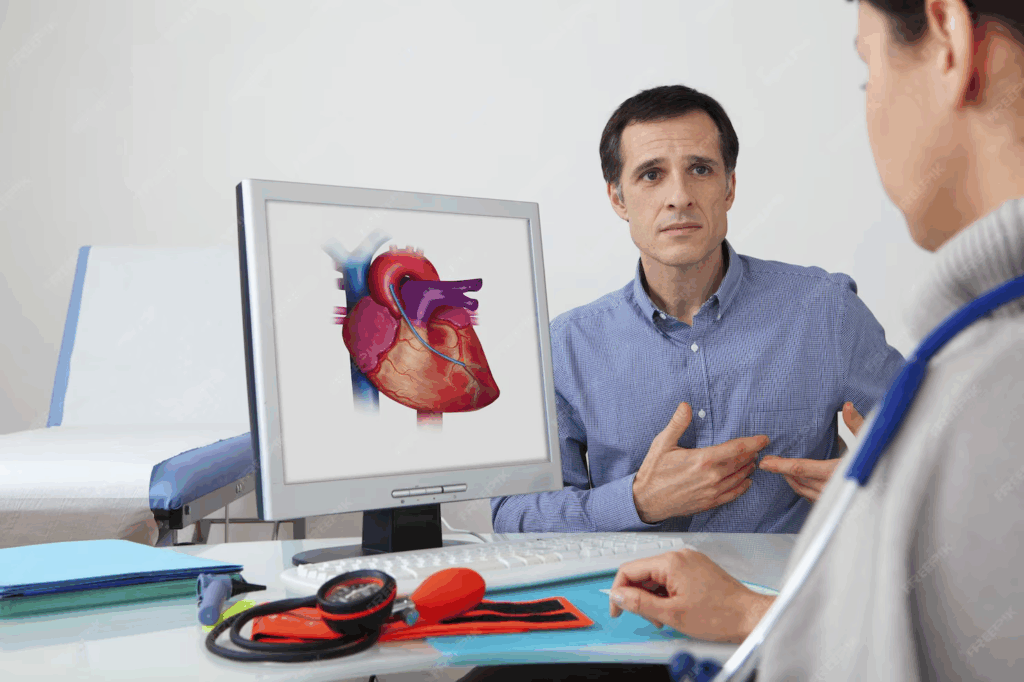
Routine health assessments provide objective information that symptoms alone cannot. Regular checks of blood pressure, cholesterol and lipid profiles, HbA1c, kidney function, and other appropriate blood tests can help detect early metabolic or cardiovascular abnormalities.
Having baseline measurements also makes it easier to identify changes over time, assess your overall cardiovascular risk, and take action before problems become more serious.
Preventive healthcare should be seen as part of maintaining long-term health and professional performance rather than something that is only needed when you become unwell.
Combining regular clinical assessments with balanced nutrition, structured exercise, effective stress management, good-quality sleep, and appropriate medical advice creates a practical approach to cardiovascular protection.
For consultants working in London’s demanding corporate environment, understanding and monitoring these key health indicators can be one of the most useful long-term investments in both personal well-being and career sustainability.
Take a proactive approach to your cardiovascular health before symptoms develop. Book a comprehensive heart assessment to understand your cardiovascular risk, identify potential concerns early, and receive personalised guidance for long-term heart health.