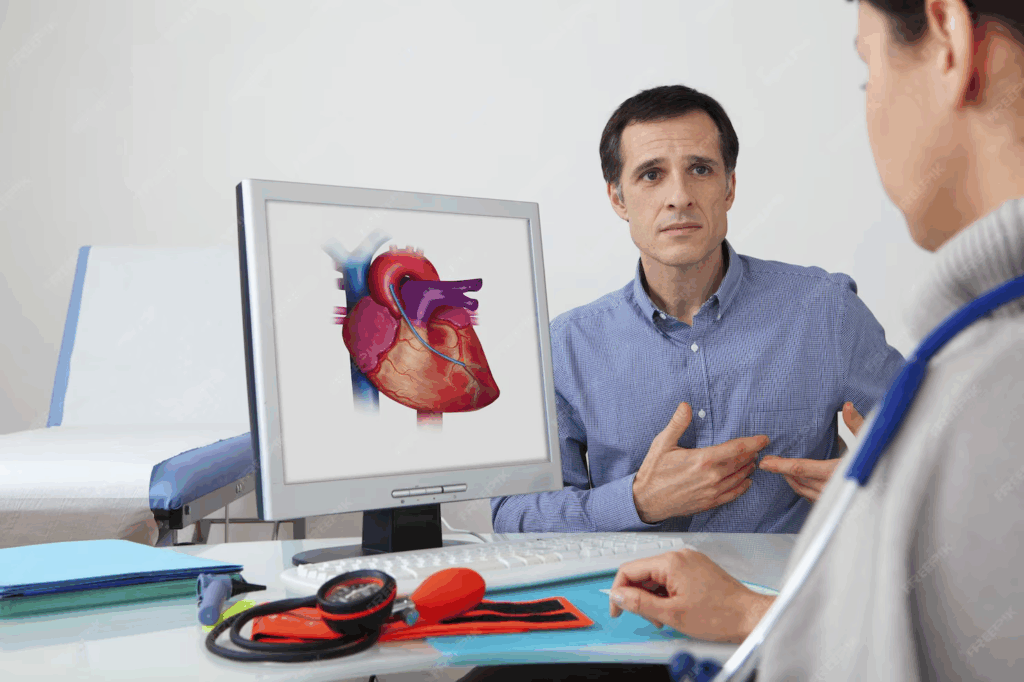
Senior executives often put persistent chest tightness, overwhelming fatigue, poor concentration, or reduced stamina down to the pressures of leadership rather than seeing them as potential warning signs of cardiovascular disease.
Heavy workloads, constant decision-making, ambitious targets, and long working hours can create a culture where pushing through discomfort is seen as a sign of resilience and commitment. However, while this approach may help to meet business demands, it can be dangerous when applied to physical health. The cardiovascular system cannot endlessly compensate for chronic stress, poor sleep, and exhaustion.
Being able to distinguish workplace burnout from early heart disease is therefore important for both long-term health and continued professional performance. This article explores the differences between executive burnout and heart disease and explains why early recognition and preventative cardiovascular screening are so important.
The biology of the high-stress C-suite: how cortisol erodes arteries
Constant workplace pressure activates the body’s stress response, releasing hormones that prepare us for immediate action. This is useful in short bursts, but problems can arise when the stress response remains switched on for long periods.
Over time, blood pressure rises, the heart rate may increase, and the blood vessels are repeatedly placed under additional strain. Over months and years, these changes can gradually damage arterial health and increase cardiovascular risk, even in someone who appears outwardly successful, fit, and well.
Long-term stress also increases the workload placed on the heart. If there is little opportunity for proper recovery, cardiovascular resilience may gradually decline.
Persistently raised levels of the stress hormone cortisol can also affect inflammation, cholesterol, and blood sugar control. Together, these changes may encourage the gradual formation of atherosclerotic plaques within the arteries.
These changes often occur silently. The arteries can gradually become less flexible and blood flow may become less efficient without causing obvious symptoms. This is one reason cardiovascular disease can remain unnoticed until it is more advanced. Regular cardiovascular assessment can help identify risk factors and early disease before significant problems develop.
Recovery is therefore just as important as performance. Insufficient sleep, constant access to emails and messages, frequent travel, and irregular exercise can prevent the body from properly recovering from stress.
Regular physical activity, a nutritious diet, good-quality sleep, effective stress management, and appropriate medical assessments all help reduce the strain placed on the cardiovascular system. Building regular periods of recovery into a demanding working life can support both long-term heart health and sustained physical and mental performance.
The dangerous overlap: when burnout mimics heart failure
Burnout and cardiovascular disease can produce similar symptoms, which makes it easy for busy professionals to mistake one for the other.
Persistent exhaustion may seem entirely related to work. Mild breathlessness while walking between meetings may be put down to being unfit. Occasional heart palpitations may be ignored because deadlines, travel, caffeine, and stress seem like obvious explanations.
The danger is that important warning signs can be dismissed for months or even years. This delay may allow cardiovascular disease to progress without appropriate investigation or treatment.
A careful medical assessment can help distinguish emotional exhaustion from a cardiovascular problem. Burnout more commonly affects motivation, concentration, sleep quality, and emotional resilience. Heart disease may be more likely to cause symptoms such as breathlessness on exertion, chest discomfort, palpitations, or an unexplained reduction in physical ability.
Symptoms that consistently appear or worsen during physical activity should be assessed promptly rather than automatically being blamed on stress or tiredness.
Ignoring persistent symptoms can delay diagnosis and reduce opportunities for early treatment. Senior leaders are often very good at managing difficult professional problems but may underestimate risks to their own health because the symptoms still feel manageable.
Seeking medical assessment when fatigue changes significantly, exercise tolerance falls, or palpitations become more frequent can provide reassurance when nothing serious is wrong. If cardiovascular disease is present, earlier diagnosis allows treatment and risk reduction to begin sooner.
Atypical presentations: the symptoms you aren’t looking for
Not every cardiovascular condition causes dramatic chest pain.
Silent ischaemia occurs when the heart muscle receives reduced blood flow without producing the typical symptoms that people associate with heart disease. As a result, the problem may remain undetected.
Some people instead notice more subtle changes, such as reduced stamina, slower recovery after exercise, increasing tiredness, or difficulty keeping up with activities that were previously easy. These changes are often blamed on ageing, a heavy workload, lack of holidays, or general lifestyle pressures.
Recognising a gradual change in physical ability can be important because it may provide an early opportunity for medical assessment.
Conditions such as aortic stenosis and significant coronary artery disease can develop slowly. At first, the symptoms may be quite mild.
Climbing stairs, carrying luggage through an airport, or walking quickly between meetings may gradually become more difficult. Because this deterioration can happen slowly, people often adapt without realising it. They may take the lift instead of the stairs, walk more slowly, or avoid activities that leave them breathless.
This can make an important change in cardiovascular health harder to recognise.
Knowing your normal level of fitness provides a useful comparison. People who are familiar with their usual exercise tolerance can identify gradual deterioration more easily.
Keeping track of symptoms, activity levels, and cardiovascular risk factors, and discussing unexplained changes with a healthcare professional, can encourage earlier diagnosis and reduce the chance of a preventable cardiovascular event.
Proactive risk management: the executive screening architecture
Preventative cardiovascular screening aims to identify risk factors and cardiovascular disease before symptoms become severe.
Investigations such as CT calcium scoring and carotid intima-media thickness assessment can provide additional information about the health of the arteries in appropriate patients.
These tests can be considered alongside more familiar assessments such as blood pressure monitoring, cholesterol testing, review of family history, lifestyle assessment, and personalised cardiovascular risk profiling.
Together, this information can help build a clearer picture of an individual’s cardiovascular risk and guide decisions about prevention and treatment.
Early screening can be particularly valuable because many cardiovascular risk factors cause no symptoms. Identifying raised cholesterol, high blood pressure, diabetes, or arterial calcification provides an opportunity to make changes before complications develop.
These may include lifestyle modifications, improvements in diet and exercise, medication where appropriate, and regular follow-up.
For busy executives, this proactive approach can reduce the likelihood of unexpected health problems while supporting long-term health and professional performance.
Cardiovascular screening should therefore be viewed as an investment in health rather than something that is only required once symptoms become severe. Understanding your personal cardiovascular risk replaces uncertainty with useful information and allows action to be taken when it is most effective.
Early identification of cardiovascular disease can help protect personal well-being, family life, independence, and the ability to continue working at a high level.
Book a comprehensive heart assessment to gain a clearer understanding of your cardiovascular health and take proactive steps towards preventing future complications.